Why We Cut Everything Half a Step Big
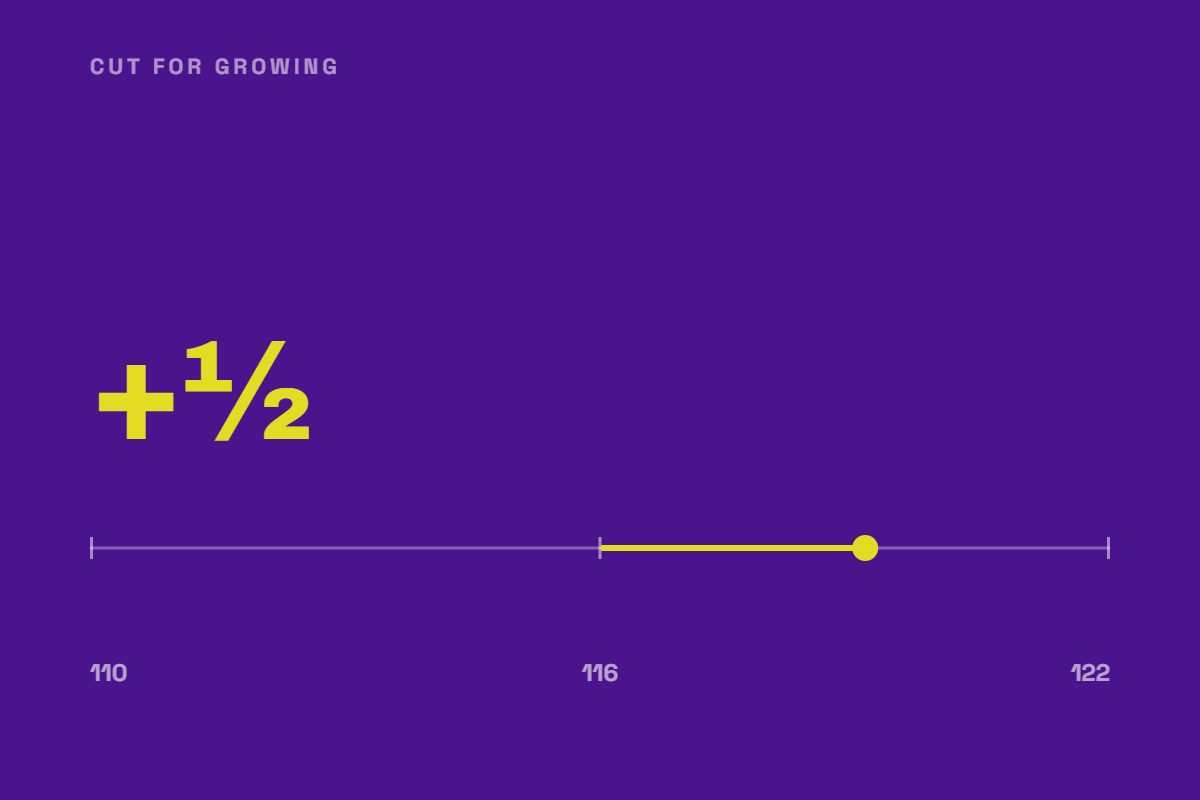
Everything we make is drafted roughly half a step larger than the label suggests. That is a deliberate decision, not a loose tolerance, and it changes how you should read our sizes.
A garment that fits perfectly is already halfway to being outgrown
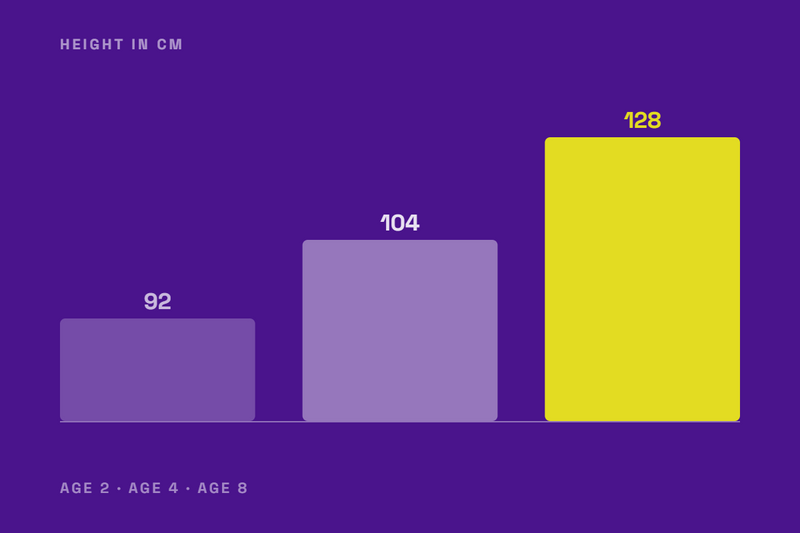
Cut something to fit a child exactly on the day it arrives and it fits beautifully for about two months. Children move through a six-centimetre band in well under a year, and clothes drafted to the millimetre are tight across the shoulders long before they are short in the sleeve.
So we add room where growth actually shows (through the body, across the shoulder, along the sleeve) and leave the openings adjustable.
The cuffs do the real work
Hoodies and joggers get deep ribbed cuffs. Folded back, the sleeve is the right length now and the fold reads as part of the design rather than as a garment that does not fit. Unfolded a season later, it buys several centimetres without anything looking stretched or borrowed.
What this means when you order
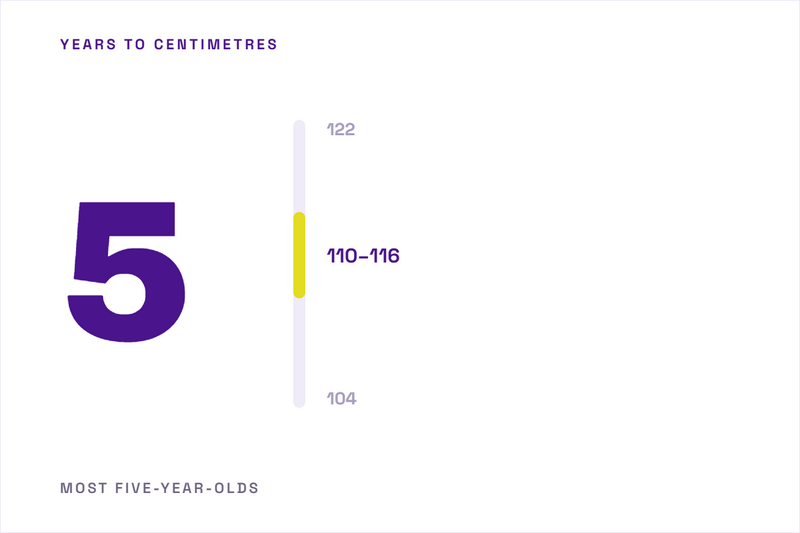
Take your child's actual height band. Do not size up on top of the extra room. That is where things genuinely start to look borrowed. The half step is already in the pattern.
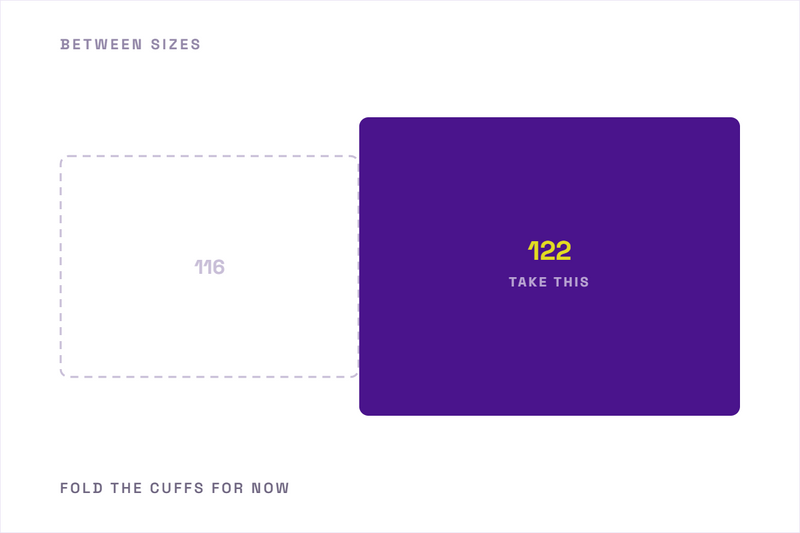
The exception is a child sitting between two bands, where the larger is still the better bet. The reasoning is in between two sizes, take the bigger one.
Where we do not do it
Dresses are cut closer to true. A dress that is half a step generous stops reading as a dress and starts reading as a mistake, so those are drafted to the band.