
Between Two Sizes? Take the Bigger One
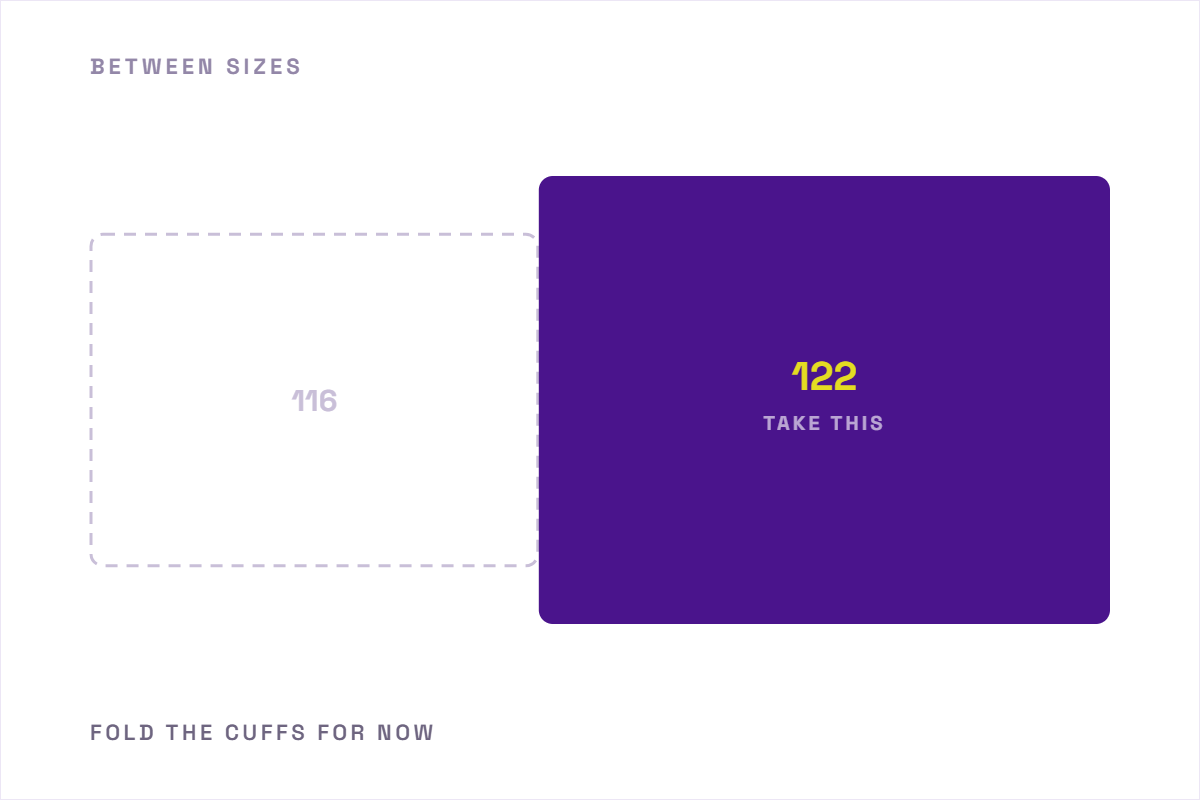
It is the question we are asked more than any other. The answer is almost always the bigger size, but for a better reason than “they will grow into it”.
The arithmetic of growing
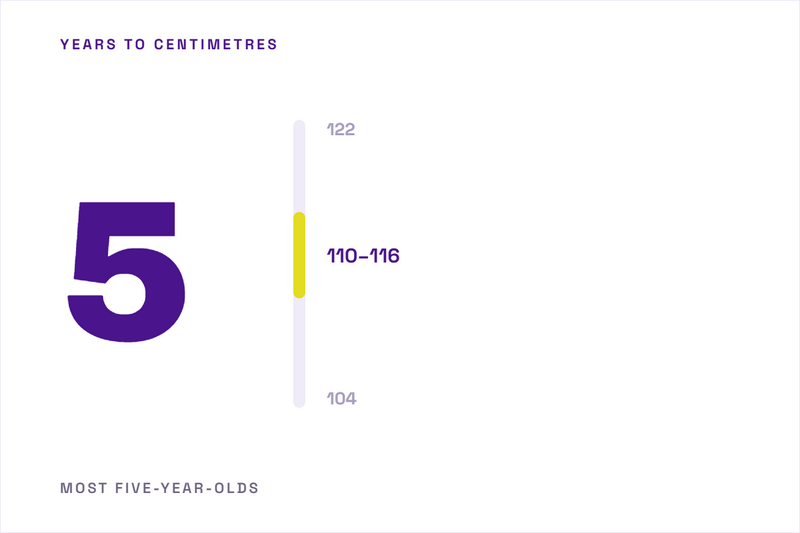
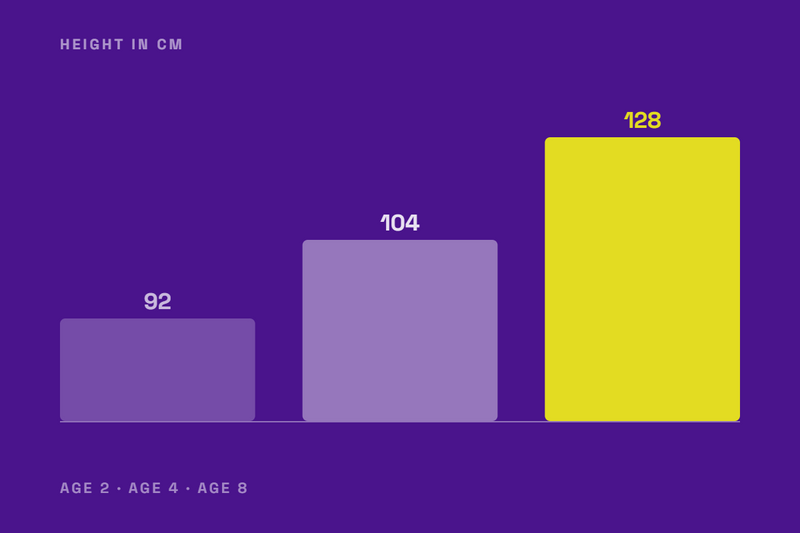
A child between four and ten grows roughly five to six centimetres a year. Our bands are six centimetres wide. So a child sitting at the top of a band has, on average, a matter of months in it, while a child at the bottom of the band above has most of a year.
Buying down is not saving money. It is buying a shorter garment life at the same price.
Why a size up does not look like a hand-me-down
The usual objection is that the bigger size looks borrowed. It does when a garment is cut slim and you go up to compensate: the shoulders drop into the wrong place and it reads as a mistake.
Ours are drafted oversized to begin with, with dropped shoulders that are meant to sit low, so a size up reads as the intended shape rather than an accident. The ribbed cuffs on the hoodies and joggers fold back for the first season and unfold for the second. More on why in why we cut everything half a step big.
The exception
One case genuinely argues for the smaller size: a child who has been at the same height for six months or more. Growth comes in bursts, and a child in a plateau may stay put for another season. If they measure 116cm and measured 116cm at the start of the year, 110–116 will fit properly now.
The other case is a dress or anything worn for an occasion, where fit today matters more than fit next spring.
Or do not decide
Order both, keep the one that fits, send the other back free within seven days. We send the label. It is the only way to be certain, and it costs nothing.